
Reviving Heritage with Traditional Craftsmanship
Today we explore historic home restorations powered by traditional craftsmanship, guided by case studies and best practices that protect soul and structure. Discover how lime, timber, slate, and patient hands return aging houses to health, while honoring stories embedded in every joint, profile, and brushstroke. Ask questions, share experiences, and help preserve skills future neighbors will thank you for.

Foundations of Authentic Restoration
Before the first nail is drawn, we listen to the building. Understanding chronology, alterations, and weathering patterns prevents well-meant mistakes. We outline a conservation-first approach that values repair over replacement, documents every decision, and seeks compatibility, reversibility, and breathability so yesterday’s character survives tomorrow’s climate and use.

Reading the Building’s Story
Start by mapping clues: nail types, saw marks, paint layers, and settlement lines reveal sequence and stress. Interview long-time neighbors, compare archival photos, and sketch assemblies before touching tools. This patient archaeology guides respectful choices that strengthen fabric without erasing the fingerprints of generations who lived there.

Prioritizing Significance over Convenience
Not every element carries equal weight. Identify character-defining features—cornices, sashes, floorboards—and protect them first, even if schedules strain. Accept imperfect alignments where honest wear speaks. Convenience should never outrank significance when irreplaceable craftsmanship, skilled joinery, and tactile finishes can still be stabilized, conserved, and enjoyed safely.
Balancing Patina and Performance
Comfort and safety matter, yet historic surfaces deserve dignity. Choose upgrades that breathe and flex with old materials, avoiding hard seals that trap moisture. Aim for incremental improvements, monitored over seasons, so performance rises while patinated textures, subtle waviness, and handmade irregularities continue telling their quietly luminous story.
Materials That Honor the Past
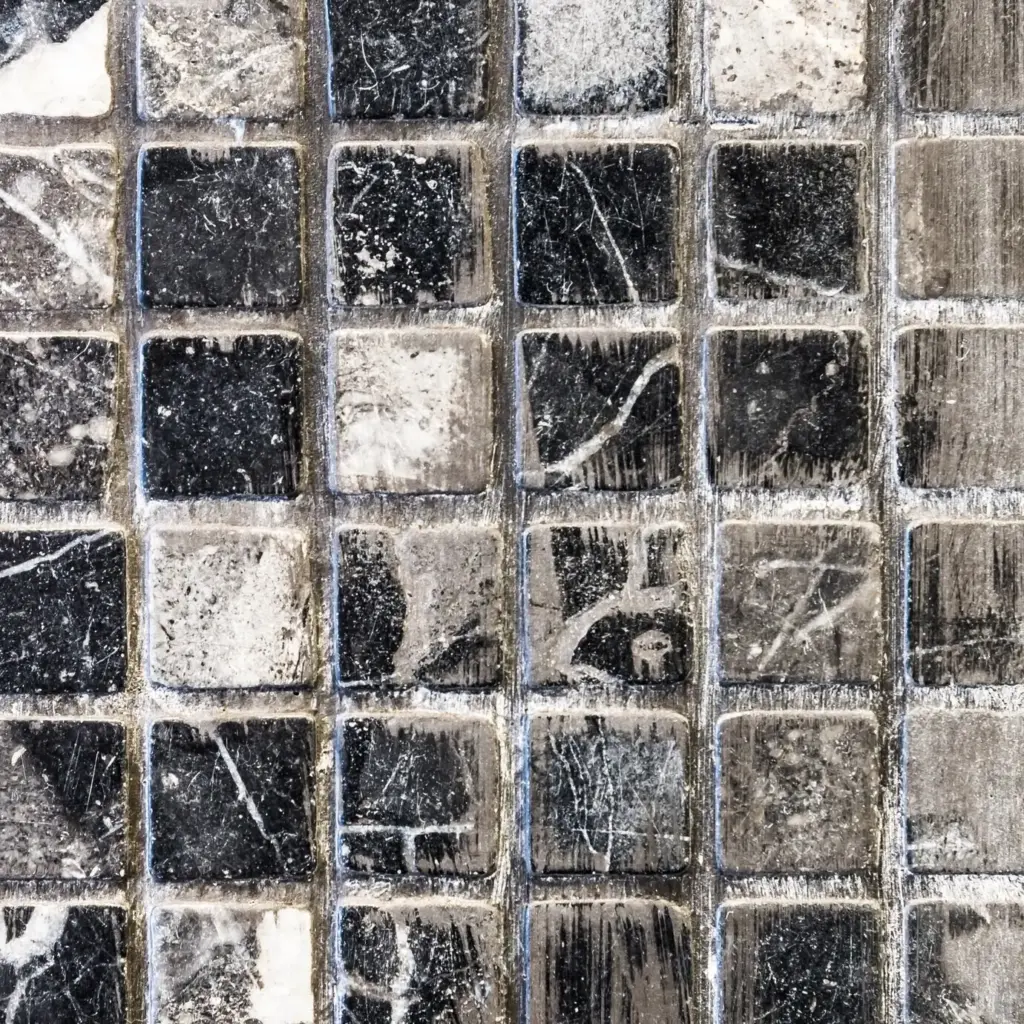
Material compatibility is the cornerstone of enduring results. Lime mortars, casein paints, heartwood timbers, and forged hardware behave with historic envelopes, moving and breathing sympathetically. We examine sourcing, testing, and matching strategies that avoid brittle substitutions, reduce future damage, and keep essential repair work beautifully legible yet humble.
Not all lime is equal, and not all pine is soft. Specify regional limes, quarter-sawn heartwood, and traditionally forged fasteners to reduce movement and corrosion. Visit quarries and mills, commission small batches when needed, and document provenance, ensuring ethical extraction and predictable behavior across seasons and generations.
Portland cement can suffocate soft brick, causing spalling and trapped salts. Favor lime-rich mortars, limewash, distemper, or linseed-oil paints that shed water yet allow vapor to escape. Field-cure mockups, monitor moisture migration, and calibrate mixes to match historic hardness, color, and aggregate sparkle under changing light.
Joinery That Moves With the Seasons
Traditional joinery allows wood to swell, shrink, and relax without tearing itself apart. Use drawbored pegs, wedged tenons, and tapered repairs rather than rigid plates. Practice dry fits, label parts intuitively, and document moisture content, preserving both strength and the graceful rhythm of seasoned timber.
Masonry, Lime, and Delicate Demolition
Removing hard, incompatible patches demands patience and control. Score edges, mist surfaces, and work by hand to protect fragile arrises. Repoint in shade, protect from frost, and keep tools clean. Your slow pace yields fewer cracks, stronger bonds, and masonry that continues breathing like living stone.
Roofing with Slate and Shingles
Longevity comes from preparation. Sort slate by thickness, pre-punch nail holes, and align headlaps for prevailing winds. For cedar, select straight grain, heartwood, and appropriate tapers. Vent intelligently, avoid underlayments that trap vapor, and assemble roofs that exhale, shed water, and age into silvery grace.
Methods the Hands Remember
Time-tested techniques compress centuries of learning into each movement. From scarf joints to hot lime grouting and hand-split shingles, these methods respect material limits. We highlight safe, repeatable steps that produce quiet excellence, while welcoming modern diagnostics to confirm success without overpowering the honesty of skilled manual work.
Case Study: Victorian Townhouse Renewal
On a narrow street, a Queen Anne townhouse sagged at the stair hall and leaked at the cornice. Through careful investigation, team planning, and craft-led execution, the house regained stability and glow. Here’s how sequencing, materials, and collaboration turned apprehension into resilient beauty and neighborly pride.

Structural Corrections with Respect
Rot probes and pocket moisture meters mapped decay. Jacks lifted slowly, a fraction per day, while reclaimed oak beams were scarfed with housed tenons. Bolts were minimized, oak keys engaged fibers, and the barn’s ancient rhythm resumed without shock, creak by creak, season by season.
Stone, Lime, and Breathable Coats
Cement was carefully removed, joints cleaned, and lime-based renders applied in shaded, dampened passes. A shelter coat unified tone and offered sacrificial protection. Freeze-thaw cycles normalized, interior humidity steadied, and the kitchen ceased smelling of wet rock after heavy weather finally rolled through.
Subtle Comfort Upgrades That Respect Fabric
Cellulose insulation, tuned ventilation, and storm windows improved comfort without sealing the house into a plastic bag. The team monitored dew points, chose gasketed thresholds, and used reversible fasteners. Utility bills dropped gently, while birdsong, timber scents, and soft daylight still defined daily life.

Planning, Codes, and Ethical Stewardship
Good intentions need clear processes. We walk through scoping, permitting, and alignment with preservation standards, while acknowledging budget realities. Communication plans, risk registers, and documentation frameworks protect both building and team. Most importantly, ethical choices center future caretakers, ensuring today’s interventions remain legible, reversible, and graciously educational.
All Rights Reserved.